Biomolecular Mass Spectrometry and Proteomics Group
Understanding the molecular machinery of life using state-of-the-art mass spectrometry, structural proteomics, and advanced computational tools.
Advanced biomolecular mass spectrometry
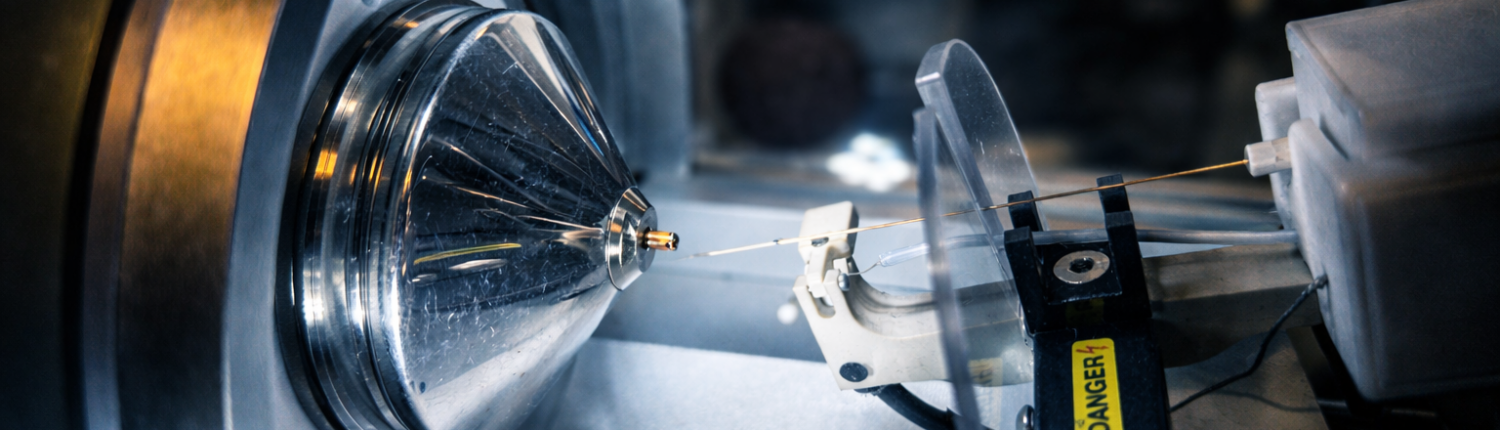
The Biomolecular Mass Spectrometry and Proteomics group (BioMS) develops and implements innovative mass spectrometric methods for the more efficient and detailed characterization of peptides and proteins in relation to their biological function. A large emphasis is on the structural characterization of proteins and their post-translational modifications as well as the investigation of protein complexes and protein interactions. In short, the group applies biomolecular mass spectrometry to problems in proteomics, cell biology, biotherapeutics, immunology and in structural biology. The group is coordinated by 10 PIs affiliated to the departments of Pharmaceutical Sciences, Chemistry and/or Computer Sciences, each occupying a separate niche but with a joint responsibility for the research facilities and mass spectrometry-based proteomics infrastructure. Collectively, the PIs research covers different facets of biochemistry, immunology and cell biology, as well as instrument development and computational proteomics.
Proteomics infrastructure and technologies
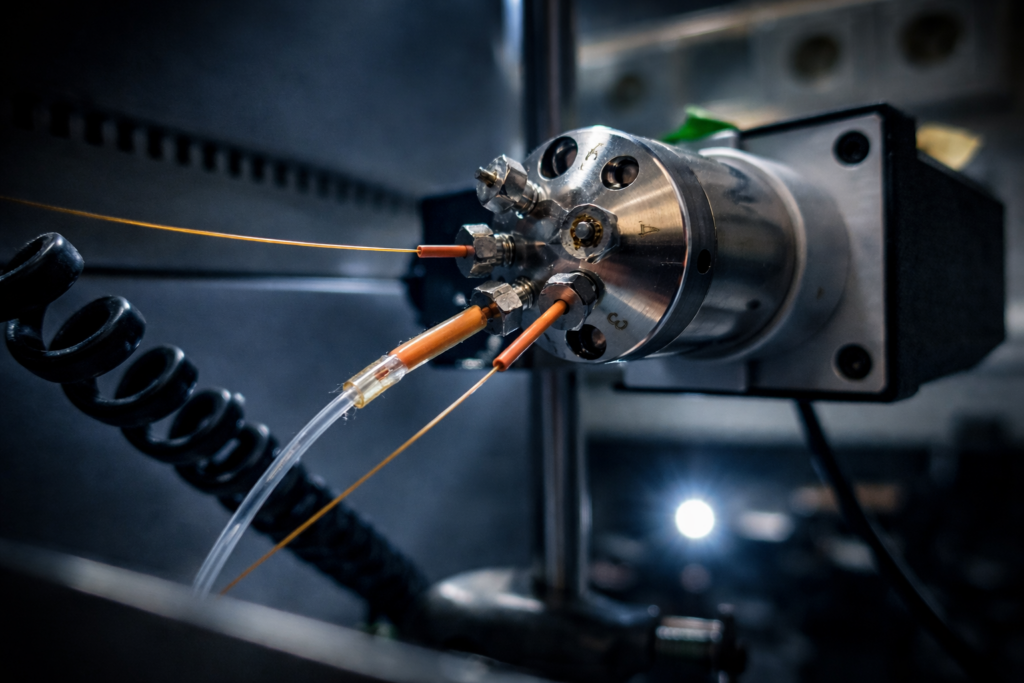
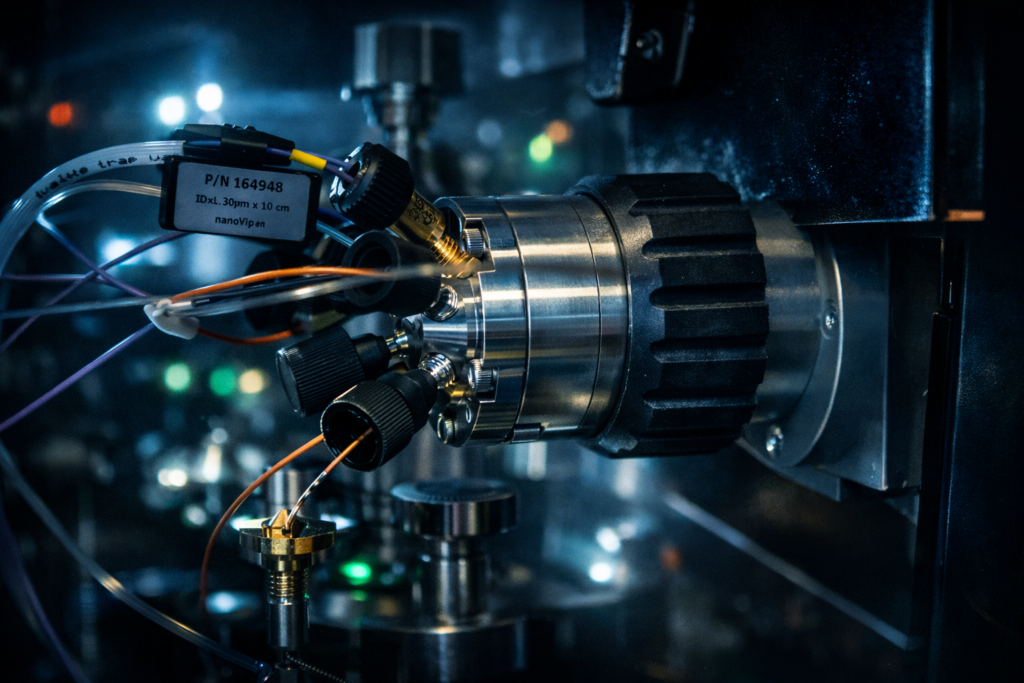
The facility at the BioMS group provides access to 19 mass spectrometers, of which 10 are equipped for LC-MS/MS proteomics-type experiments. The instruments include state-of-the-art technologies like high-resolution Orbitrap mass spectrometry (Thermo Eclipse, Thermo Fusion, 3x Thermo Exploris), time-of-flight mass spectrometry (2 Bruker Tim-sTOF) and triple-quadrupole mass spectrometry (Thermo TSQ). Together, these instruments cover the full spectrum of needs from high throughput proteome analysis to lower throughput structural proteomics experiments, as well as targeted MS-based approaches, selected reaction monitoring (SRM), and data independent acquisition (DIA). It is equipped with extensive laboratory premises to allow sample preparation, SDS gel electrophoresis and sample pre-fractionation at both the protein and peptide level by multidimensional chromatography, including ion-exchange (SCX, SAX), high-pH fractionation (HpH), size-exclusion (SEC) and gel-free fractionation. These experimental capabilities are complemented by dedicated computing infrastructure for storing and analysing the large datasets typically generated in proteomics. In addition, a specialized bioinformatics group supports the research activities, developing software tools to facilitate, among others, PTM analysis, protein quantification, data visualization and integration, statistical evaluation, protein structure analysis, and network analysis.
Sample preparation, data analysis and bioinformatics
As a research group, we provide access to advanced proteomics infrastructure, including state-of-the-art mass spectrometers and a broad range of proteomics technologies. Our expertise covers diverse applications such as quantitative proteomics, identification and quantification of post-translational modifications (PTMs), glycoproteomics, and the characterization of intact protein complexes.
Over 80% of our projects are carried out in collaboration with partners from both academia and industry, reflecting our strong commitment to collaborative and impactful research.
Collaboration and access
We warmly welcome any new partners to work with us in advancing high-quality proteomics research. Our services are offered through a flexible model that combines fee-for-service with scientific collaboration.
Visiting address:
Padualaan 8
3584 CH
Utrecht

Let’s connect!
General InquiriesCeline Miedemainfo@bioms.nl Visiting address:Padualaan 83584 CH Utrecht
Facility features:
- Advanced mass spectrometry infrastructure for proteomics, structural biology, biotherapeutics, immunology and cell biology
- Access to 19 mass spectrometers, including LC-MS/MS, Orbitrap, timsTOF and triple-quadrupole platforms
- Expertise in quantitative proteomics, PTM analysis, glycoproteomics, intact protein complexes, data analysis and bioinformatics